


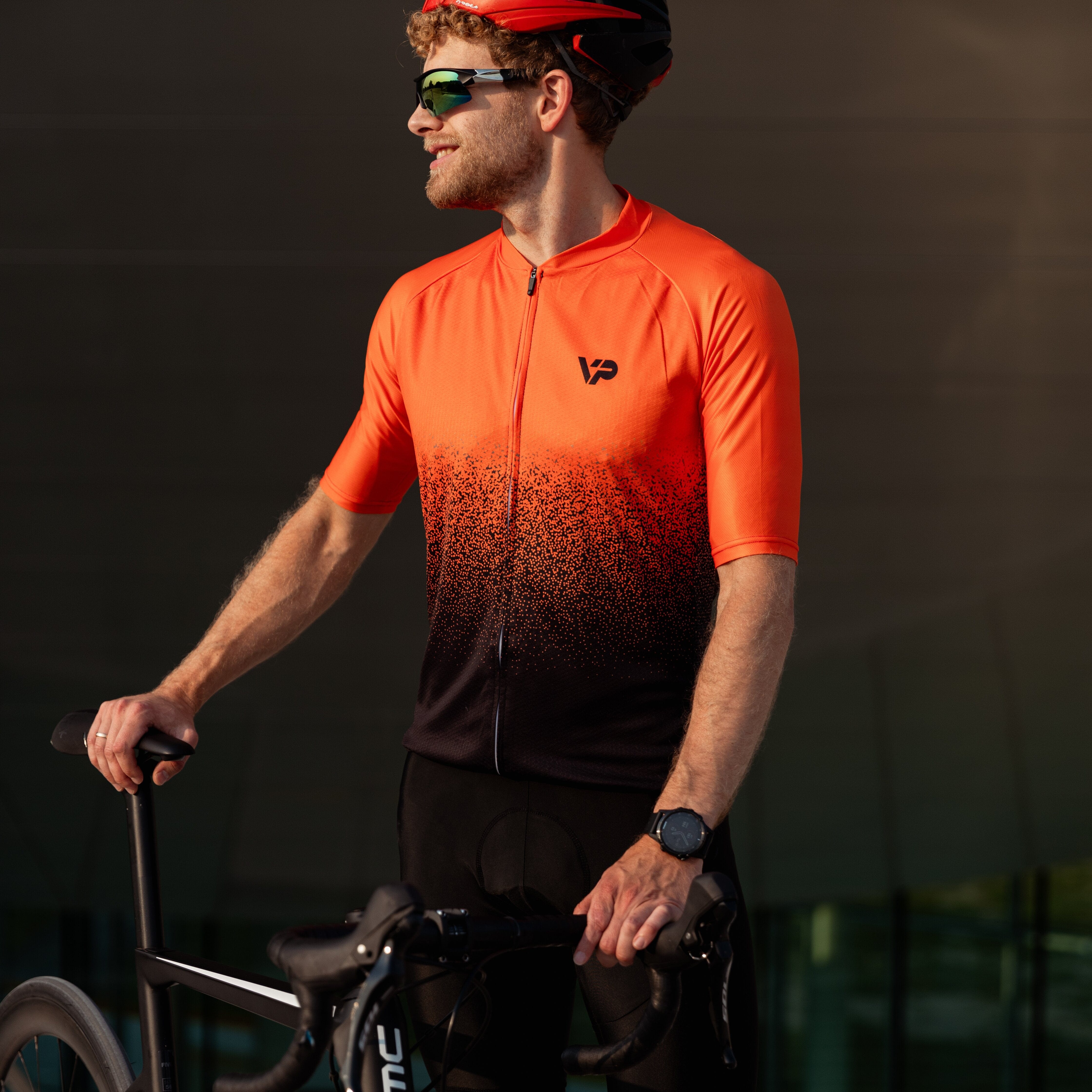
What to Wear on Long Rides if Standard Cycling Jerseys Feel Too Tight
For many cyclists, jersey choice is a fairly simple decision. They pick a size, choose a style, and head out. For riders who regularly feel squeezed, pulled, or restricted in standard cycling jerseys, especially on longer rides, the decision becomes much more complicated. A jersey that feels merely tolerable for forty-five minutes can become deeply distracting after two or three hours. Pressure builds across the stomach, the front starts riding up, the sleeves feel more compressive, and the whole experience slowly shifts from manageable to irritating.
That gradual discomfort is what makes longer rides such a useful test of cycling clothing. Short rides can hide a lot. A jersey might look fine in the mirror, seem acceptable in the first few miles, and still turn into something you spend the rest of the day adjusting. On longer rides, bad clothing stops being a small annoyance and starts shaping the entire experience.
For riders who feel this problem regularly, the instinct is often to assume that standard jerseys are simply part of the deal. Cycling apparel, after all, has a reputation for being close-fitting and performance-oriented. But that does not mean long-ride discomfort is something riders are supposed to accept. More often than not, the problem is not that the rider is unsuited to cycling jerseys. The problem is that the jersey is built around proportions or assumptions that do not work well for that rider’s body.
That is why the better question is not just which jersey size to buy. It is what to wear on longer rides when standard jerseys keep feeling too tight. The answer is rarely just “size up.” It usually involves a more thoughtful look at fit, fabric, layering, body movement, ride duration, and how clothing behaves once posture and time start magnifying every small problem.
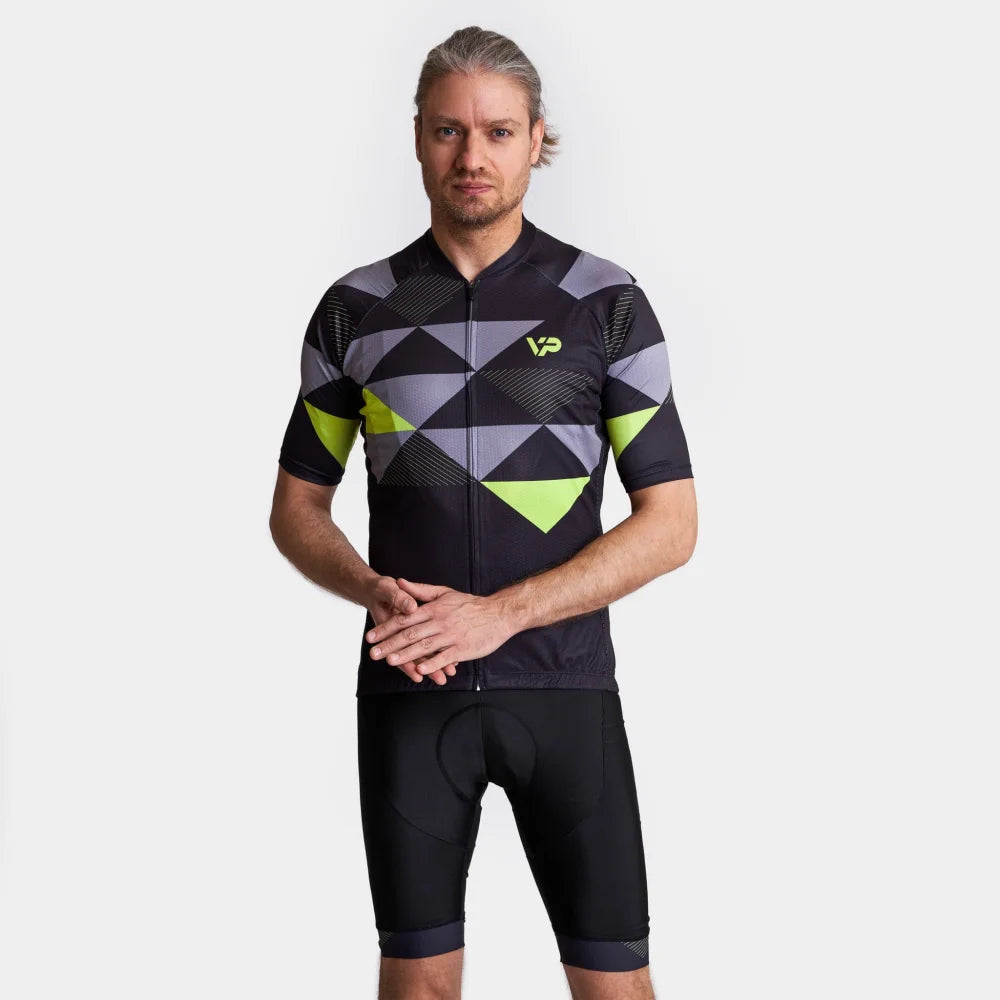
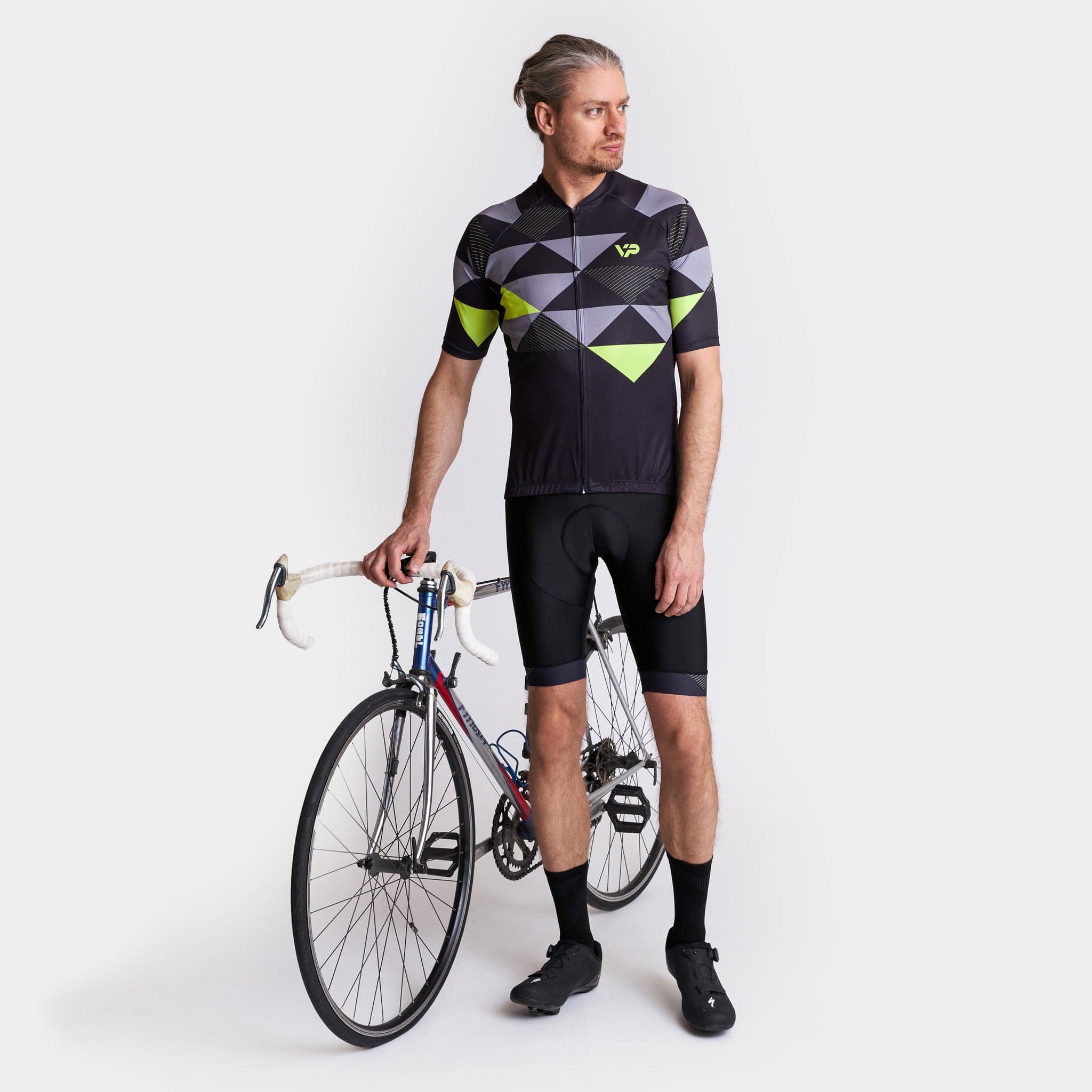
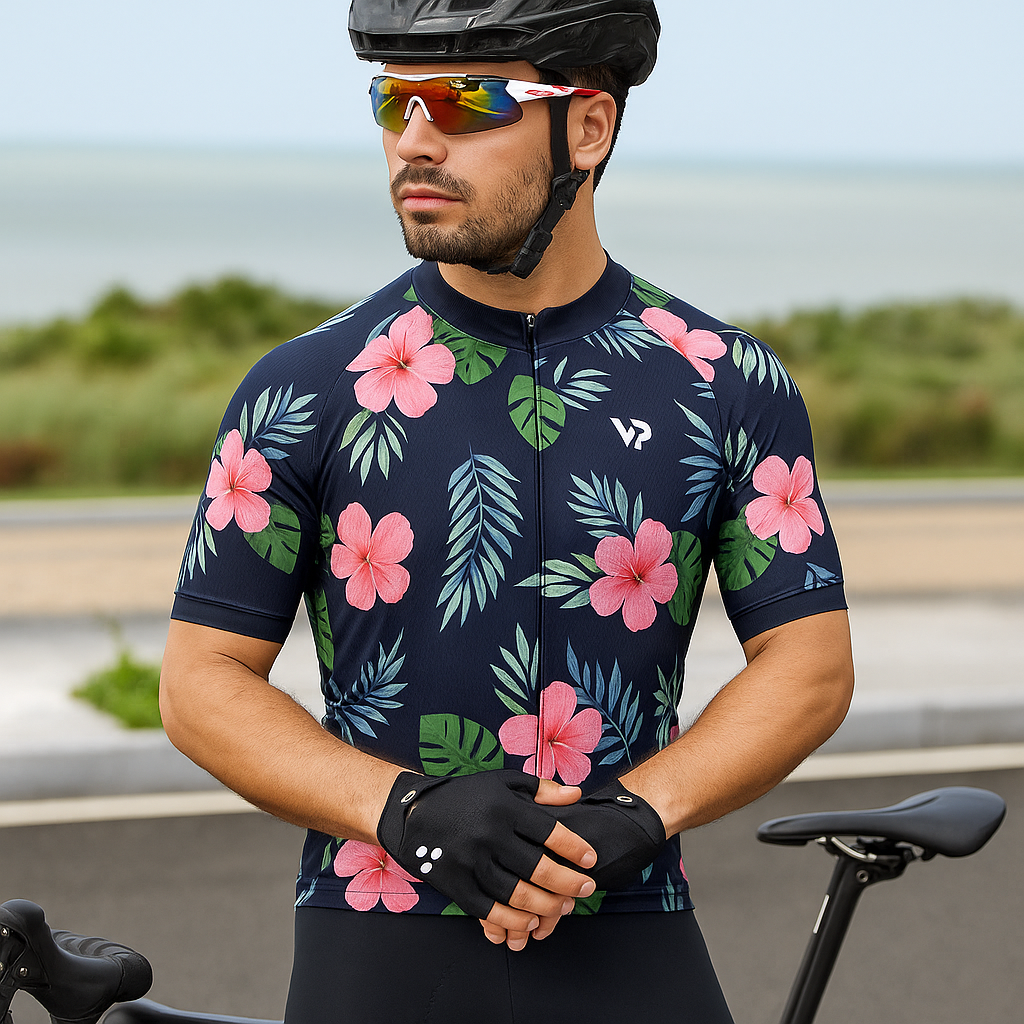
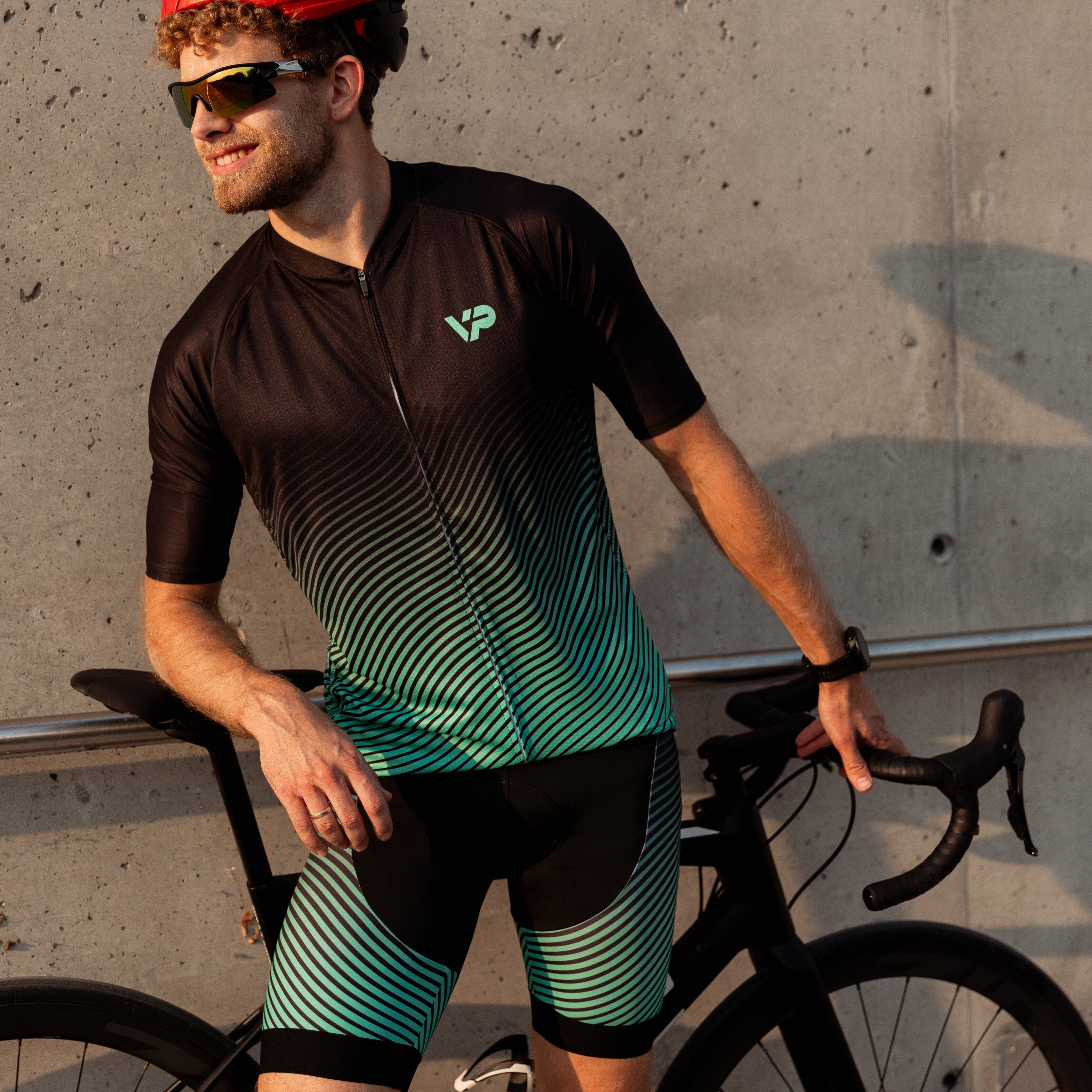
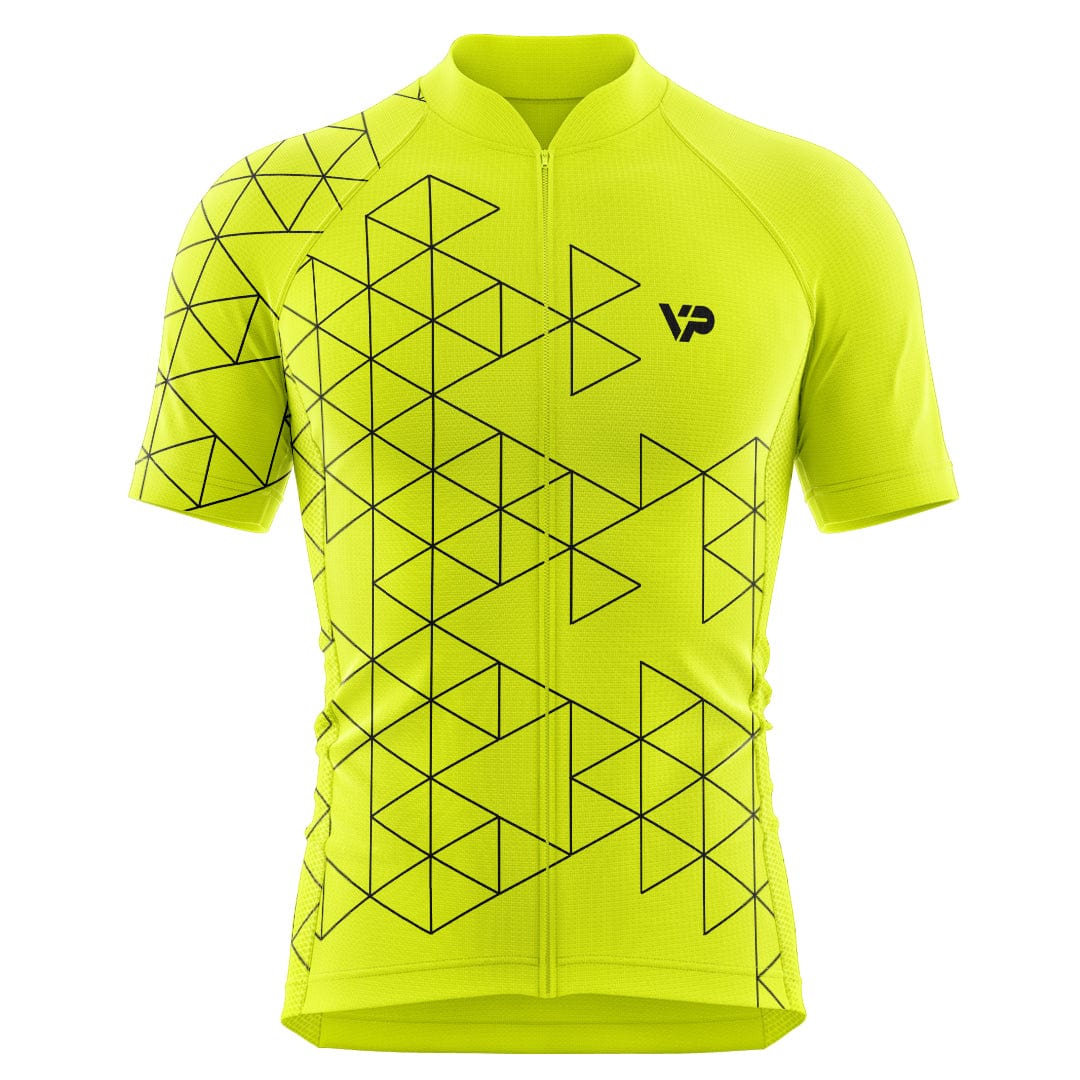
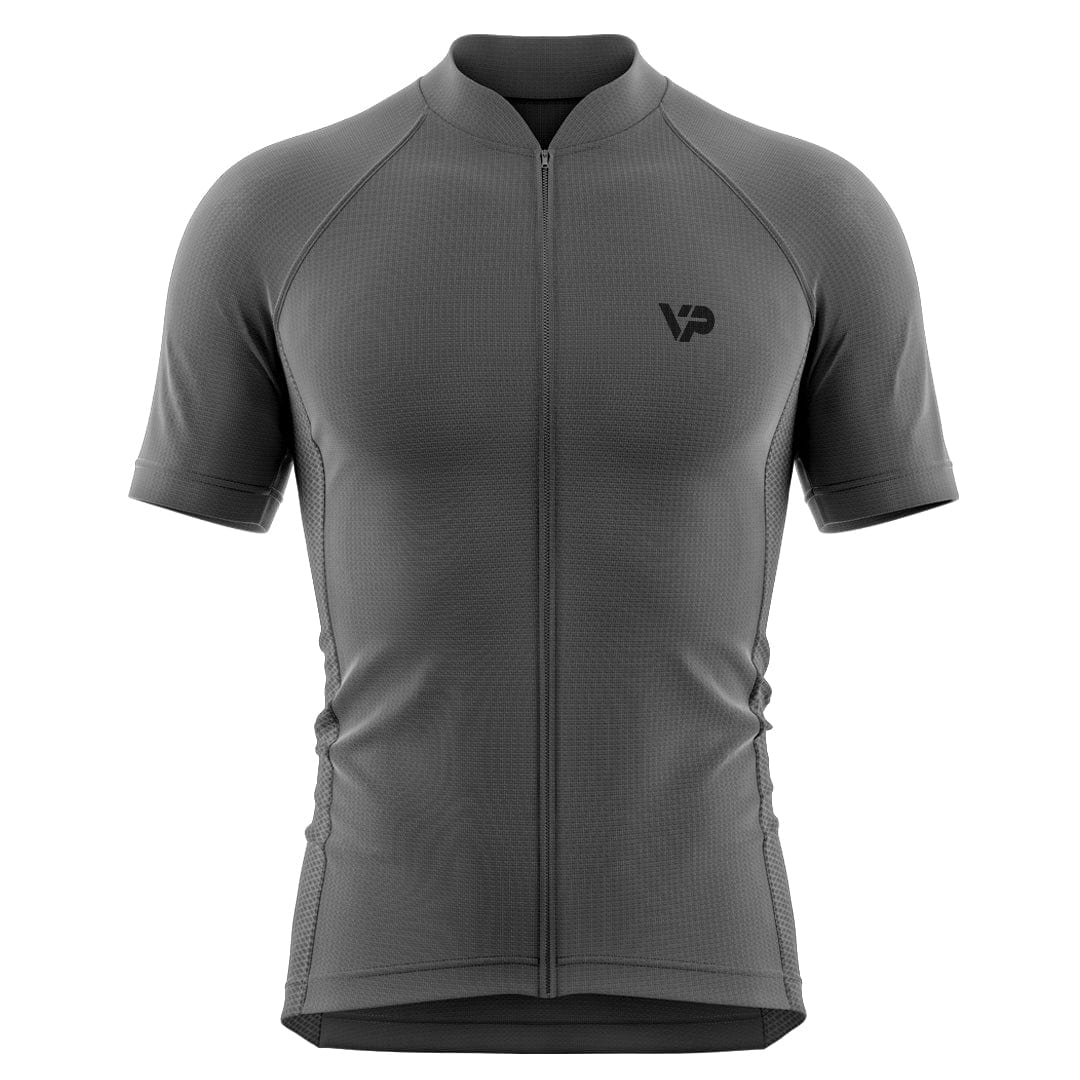
If you want to start with options designed with more accommodating proportions, this collection of big and tall cycling clothing is a useful place to begin.
Why tightness feels worse on long rides
A jersey that feels slightly close at the start of a ride often feels much worse two hours later. That is not only because the garment is tight. It is because time changes how the body experiences pressure.
On a long ride, you settle more deeply into your riding position. You spend more time leaning forward. You reach for pockets repeatedly. You eat, drink, shift posture, climb, descend, and gradually become more aware of any area of clothing that is not working with you. Mild tension in the stomach can become constant tension. Sleeves that initially feel “snug” can start to feel restrictive. A front hem that rises slightly can become something you keep tugging down every fifteen minutes.
Heat also changes the equation. As the body warms up, even a technically manageable jersey can start feeling less breathable and more oppressive. Fabric that seemed supportive may begin to feel clingy. A tighter cut can stop feeling efficient and start feeling mentally draining.
This is one of the reasons why riders often misjudge clothing when testing it briefly. A jersey that survives a short spin is not necessarily suitable for a long ride. Endurance comfort is a different standard, and it exposes weaknesses quickly.
For riders who regularly feel standard jerseys are too tight, this is not about sensitivity. It is about wearing a garment that never fully settles into the ride.
The problem is often the cut, not the concept of a jersey
When riders struggle with jersey tightness, they sometimes jump to the conclusion that cycling jerseys as a category just are not for them. That is understandable, but usually not accurate.
The issue is often the specific cut of the jersey rather than the idea of a jersey itself. Many standard jerseys are built around a relatively narrow fit template. They may assume a flatter stomach, a more tapered waist, slimmer upper arms, or a certain torso proportion. If your body sits outside those assumptions, the garment starts failing in predictable ways.
That does not mean you need to abandon technical cycling apparel and wear something completely casual. It means you need a jersey that is built with a more usable shape for your body and your riding style.
This distinction matters because a lot of riders end up wearing the wrong alternatives for the wrong reasons. They give up on jerseys and switch to tops that feel roomier, only to lose pocket function, hem stability, or fabric performance. The result may be less pressure but not necessarily a better overall ride.
A better answer is usually to look for cycling-specific clothing that keeps the useful features of a jersey while removing the fit problems that make standard versions uncomfortable.
What long rides really require from a jersey
Long rides are less forgiving than short ones because they demand more from every part of your kit. A jersey that works for endurance riding has to do several things well at once.
It needs to remain comfortable across the chest, stomach, and shoulders after hours in a forward position. It needs to stay reasonably stable at the hem so the rider is not constantly adjusting it. It needs rear pockets that remain useful and balanced once loaded. It needs fabric that handles heat and moisture well over time. And it needs a fit that feels intentional without feeling overly demanding.
For riders who feel standard jerseys are too tight, these requirements become even more important. Comfort stops being a luxury and becomes a performance issue. If clothing is distracting you, forcing adjustments, trapping heat, or creating low-level irritation for hours, it affects not only how you feel but how much you enjoy riding and how willing you are to go long again.

That is why long-ride jersey choice should be judged by durability of comfort, not by first impression. The right jersey may not be the one that looks the most aggressive or feels the most race-ready in a product description. It is the one that continues to feel balanced when the ride gets longer, warmer, and more physically repetitive.
A more forgiving cycling jersey is often the best answer
For many riders, the best solution is not to replace cycling jerseys with non-cycling clothing, but to choose a more forgiving cycling jersey. That means a garment that still has the structure, pockets, and on-bike functionality of a proper jersey, but with more usable room through the areas that usually cause problems.
This kind of jersey often feels better because it removes unnecessary tension from the front panel, sleeves, and shoulders without becoming shapeless. It can maintain a clean silhouette while giving the rider enough freedom that the jersey stops dominating the experience of the ride.
That matters especially on longer routes, where clothing that feels slightly restrictive tends to become progressively more noticeable. A more accommodating jersey allows the rider to settle in. The body can move. The stomach area feels less pressured. The hem stays calmer. The rider stops thinking about the garment every few minutes.
Importantly, a more forgiving jersey does not have to mean baggy. A lot of riders worry that moving away from a standard close fit will make the jersey look less athletic or less serious. In practice, the opposite is often true. A jersey that fits naturally tends to look better than one that is clearly under strain.
For long rides, the most useful fit is often one that still feels technical but does not insist on being ultra-close at every point.
Common Cycling Jersey Sizing Mistakes Bigger Riders Make
Best Fabrics and Features in a Cycling Jersey for Big and Tall Riders
What to Wear on Long Rides if Standard Cycling Jerseys Feel Too Tight
How a Cycling Jersey Should Fit Across the Chest, Shoulders, and Waist
Plus Size vs Big and Tall Cycling Jerseys: What’s the Difference?
Cycling Jersey Fit for Men With a Bigger Belly: What Actually Works
Race Fit vs Relaxed Fit: Which Cycling Jersey Is Better for Bigger Men?
Tall Cyclist Problems: How to Find a Jersey That Is Long Enough
4XL, 5XL, 6XL Cycling Jersey Guide: How to Pick the Right Size
How to Choose a Cycling Jersey for Bigger Riders
Comfortable big and tall cycling jerseys
Why simply sizing up is not always enough
When a standard jersey feels too tight, the most obvious move is to go up a size. Sometimes that helps. But it is not always a full solution, and sometimes it creates new problems.
A bigger size may reduce pressure through the chest or stomach, but if the jersey’s pattern is fundamentally wrong for your body, the core issue may remain. The front might still feel too short in riding position. The sleeves might still be awkward. The shoulders may lose structure. The pockets may become less stable once loaded. The result is a garment that is looser but not necessarily better.
This is why riders who have struggled with tight jerseys often feel trapped between two bad options. One size feels too restrictive, the next feels too loose in the wrong places, and neither truly works for a long ride.
The better approach is to look not only for more room, but for better room. Better proportions through the stomach. Better front length. Better sleeve balance. Better overall structure. When those elements improve, the jersey feels like it was made to support your ride instead of merely tolerating it.
Sizing up can be part of the answer, but it is rarely the whole answer.
Torso length becomes more important with distance
One of the most underestimated reasons standard jerseys feel too tight on long rides is not pure width but torso length. Riders often interpret the discomfort as a size problem when it is really a proportion problem.
On a short ride, limited front length may be only mildly noticeable. On a longer ride, it becomes much more obvious. The front hem keeps rising. The zipper feels like it is under tension. The back panel feels pulled into position. Pockets become slightly awkward. All of this makes the jersey feel tighter than the measurements alone would suggest.
This is especially common for taller riders, riders with longer torsos, and riders who carry more size through the midsection. In all of those cases, the jersey needs enough effective front length to maintain coverage when the rider leans forward.
A garment that lacks this tends to feel increasingly frustrating the longer the ride goes on. Even if the chest and waist are not extremely tight, the constant upward pull creates a sense of compression and instability.
For long-ride comfort, usable length is often just as important as circumference. Sometimes more important.
Fabric choice can completely change long-ride comfort
Fabric affects short rides. On long rides, it can determine whether a jersey feels manageable or oppressive.
A fabric that is too stiff tends to magnify every fit issue. Mild tension across the stomach becomes more noticeable. Shoulder movement feels less natural. The jersey may seem to resist the body rather than move with it. Over time, this creates a kind of low-level fatigue, because the rider is constantly aware of the garment.
A fabric that is too thin or clingy can create a different problem. It may feel breathable at first, but once the ride gets warm and the body starts sweating more, it can begin to cling uncomfortably and lose the cleaner drape that helps the jersey feel balanced.
The best long-ride fabrics usually combine moderate stretch, good recovery, and real breathability. They allow movement without losing structure. They ventilate without becoming flimsy. They help the jersey stay coherent as the ride progresses.
For riders who feel standard jerseys are too tight, this matters a lot because better fabric can make a more accommodating jersey feel even more supportive. It can also make a borderline fit more tolerable. Not perfect, but more wearable.
Still, fabric works best when the cut is already sensible. Good material can improve a reasonable jersey. It cannot rescue a bad one forever.
Pocket function matters more than people expect
One reason riders hesitate to move away from standard close-fitting jerseys is that they worry looser clothing will make the rear pockets less usable. That concern is valid, because poorly structured garments can absolutely become unstable once pockets are loaded.
But the solution is not to accept a jersey that is too tight. The solution is to choose a garment that remains structurally sound while offering more comfort through the body.
On long rides, pocket function matters because you are more likely to carry food, a phone, tools, arm warmers, or a packable layer. If the jersey handles those items poorly, the fit can degrade quickly. A garment that seemed comfortable when empty can start sagging or shifting once loaded.
That is why a good long-ride jersey needs both comfort and pocket support. The rear should feel anchored without the front feeling strained. The rider should be able to use the pockets fully without turning the entire jersey into something unstable.
This is another reason cycling-specific options usually outperform casual substitutes. A non-cycling top may feel looser, but it often loses the functional advantages that make long rides easier. The best answer is usually a jersey that has proper pocket design and a more realistic fit.
Layering can be smarter than forcing one tight jersey to do everything
Sometimes the issue is not only that the jersey feels tight, but that the rider is expecting one garment to handle every condition, every temperature shift, and every stage of the ride. That often leads to choosing a jersey that is too compressed or too limited in comfort just because it seemed like the most “performance” option.
A smarter long-ride approach can involve lighter layering rather than relying on one garment that already feels restrictive. For example, a jersey that fits comfortably on its own may work much better with simple arm warmers, a lightweight base layer, or a packable outer layer than a tighter jersey that leaves no room for adjustment.
This matters because long rides often include changing conditions. The morning may be cool, the middle of the ride warmer, and the descents or later hours more variable. A jersey that is already too tight becomes even more frustrating if you add anything underneath it. A more balanced fit gives you more flexibility without losing function.
The key is not to overcomplicate things, but to stop assuming that the closest-fitting jersey is always the most adaptable. For many riders, comfort over distance comes from clothing that leaves a little room for real-world variation.
Some riders do better in alternate cycling tops, but only selectively
There are cases where riders who hate standard tight jerseys genuinely prefer an alternative style of cycling top. Some prefer a more relaxed jersey cut. Some are comfortable in technical tops that are less aggressively styled but still cycling-specific. Some gravitate toward apparel that sits between road race kit and casual riding clothing.
These options can work, especially for less aggressive riding styles, endurance days, gravel rides, and general training. But they work best when they still preserve the practical basics of on-bike clothing: breathability, stable fit, useful storage, and movement that suits cycling posture.
The mistake is going too far toward ordinary sportswear or casual tops that feel roomy but fail once the ride gets longer. They may flap, bunch, hold sweat poorly, or force the rider to move everything into a separate bag because the clothing itself lacks usable storage.
For riders who feel squeezed by standard jerseys, the most productive move is usually not to abandon cycling tops completely. It is to move toward a version that feels more realistic for their body and the kind of riding they actually do.
What the right long-ride top should feel like
If you are unsure what you are aiming for, it helps to define the feeling rather than the category.
The right long-ride top should feel calm.
It should not feel like the stomach area is under constant pressure. It should not make the sleeves or shoulders feel busy and restrictive. It should not make you think about the zipper every time you sit up or lean forward. It should not feel unstable once you start using the pockets. It should not become clingy and oppressive as the ride warms up.
Instead, it should feel like it settles into place and stays there. The front should be comfortable. The shoulders should feel free. The hem should stay reasonably stable. The pockets should remain usable. The fabric should breathe and recover. The garment should still feel like cycling clothing, but not clothing that demands attention every few minutes.
This is the standard many riders miss because they have become used to tolerating less. Once they wear something that actually meets it, the difference is obvious.
How to shop more intelligently for long rides
When choosing what to wear on long rides, riders who struggle with tight standard jerseys should ask better questions than they usually do.
Instead of asking whether the jersey looks aerodynamic, ask whether it will still feel good after three hours.
Instead of focusing only on chest measurement, think about stomach room, torso length, and sleeve comfort.
Instead of treating pressure as a sign of performance, treat it as a sign that the garment may be too demanding.
Instead of assuming a looser fit means sloppy, ask whether the jersey still maintains structure where it counts.
Instead of imagining the garment empty, imagine it loaded with what you actually carry.
These questions tend to lead to better decisions because they align with how long rides actually unfold. Endurance comfort is not about one dramatic feature. It is about a set of small things going right for long enough that the rider forgets about the clothing.
The best clothing is the clothing you stop noticing
This may be the simplest way to judge whether you are wearing the right thing on long rides. Good clothing gradually disappears. Bad clothing becomes more present.
If your current jersey forces regular adjustment, reminds you of its tightness, pulls in front, traps heat, or makes the last hour less enjoyable than it should be, it is telling you something useful. It is not the right choice for the kind of riding you are doing.
A better jersey does not need to be dramatic. It just needs to support the ride quietly. It needs to move with your body, handle real-world conditions, and let you stay focused on the route rather than the garment.
For riders who have spent a long time assuming that standard jerseys simply feel too tight, this can be a surprisingly important shift. The goal is not to endure more. It is to choose better.
Final thoughts
If standard cycling jerseys feel too tight on long rides, the answer is rarely to give up on cycling-specific clothing altogether. More often, the right move is to choose a jersey or cycling top with more realistic proportions, better front comfort, better usable length, and fabric that remains supportive rather than restrictive over time.
Long rides demand more from clothing because they reveal every weakness gradually. Pressure becomes distraction. Mild instability becomes annoyance. Small fit issues become repetitive and tiring. That is why long-ride comfort should be judged by what happens after hours on the bike, not just by what seems acceptable at the start.
The best thing to wear is the thing that still feels right deep into the ride. That usually means enough room in the right places, enough structure to keep the jersey functioning properly, and enough restraint in the design that the rider is not constantly negotiating with the garment.
That is not asking too much. It is exactly what good cycling clothing is supposed to provide.