

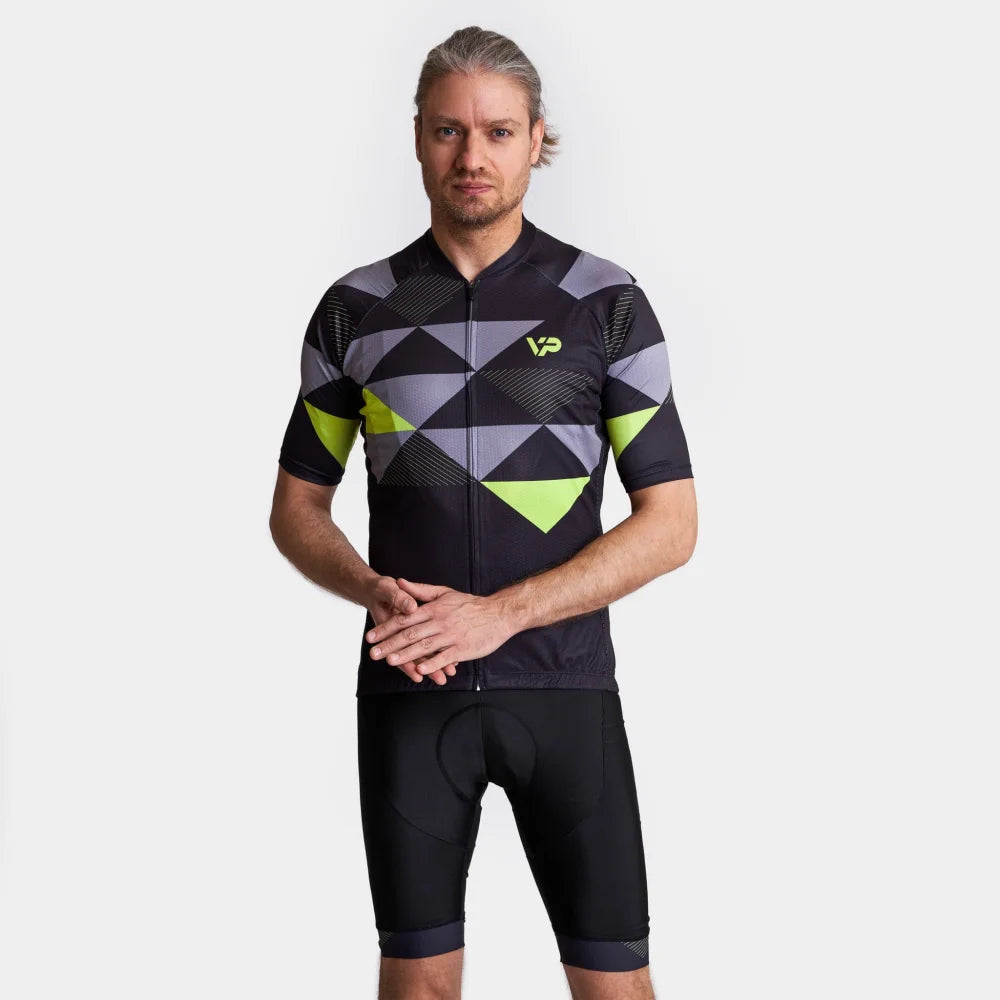
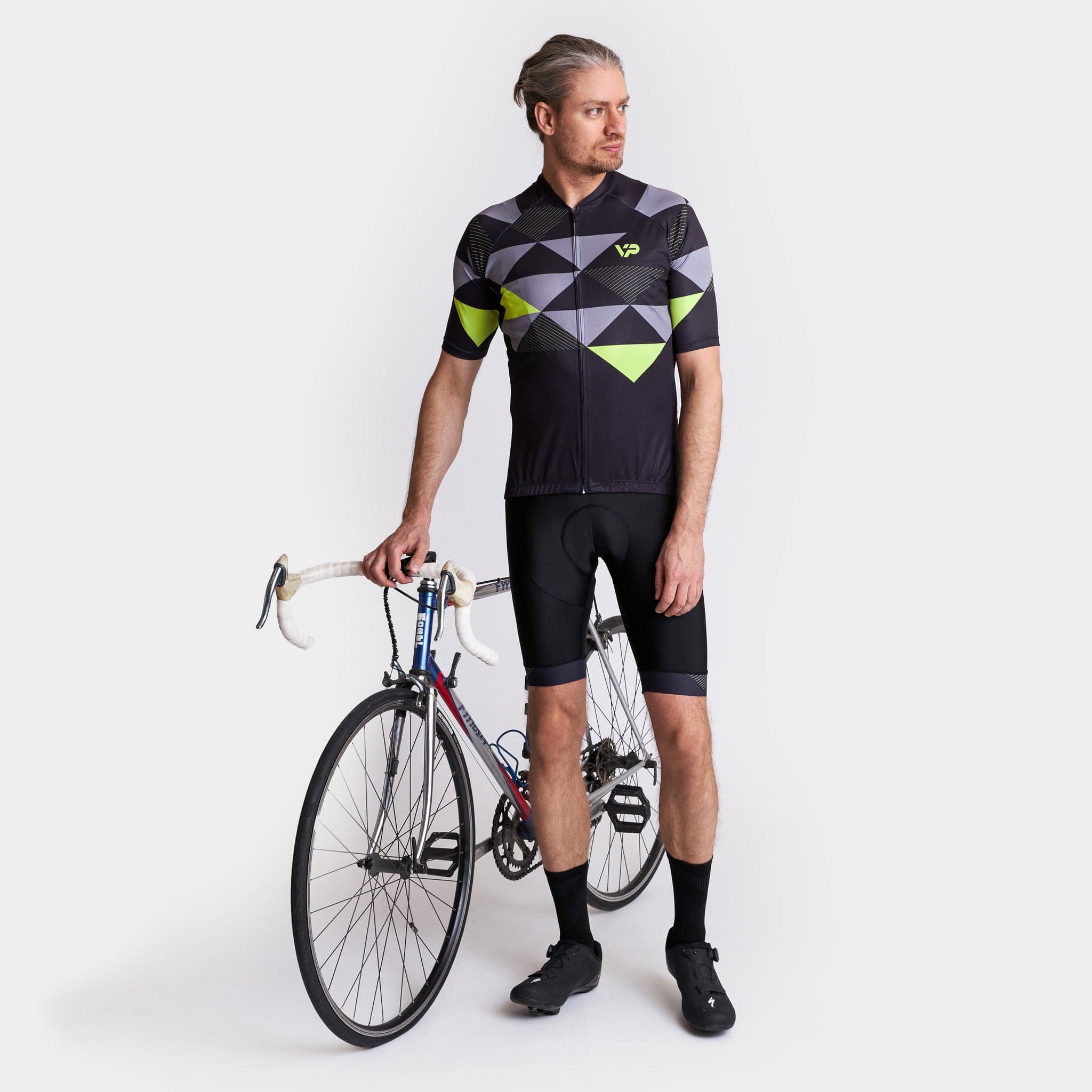

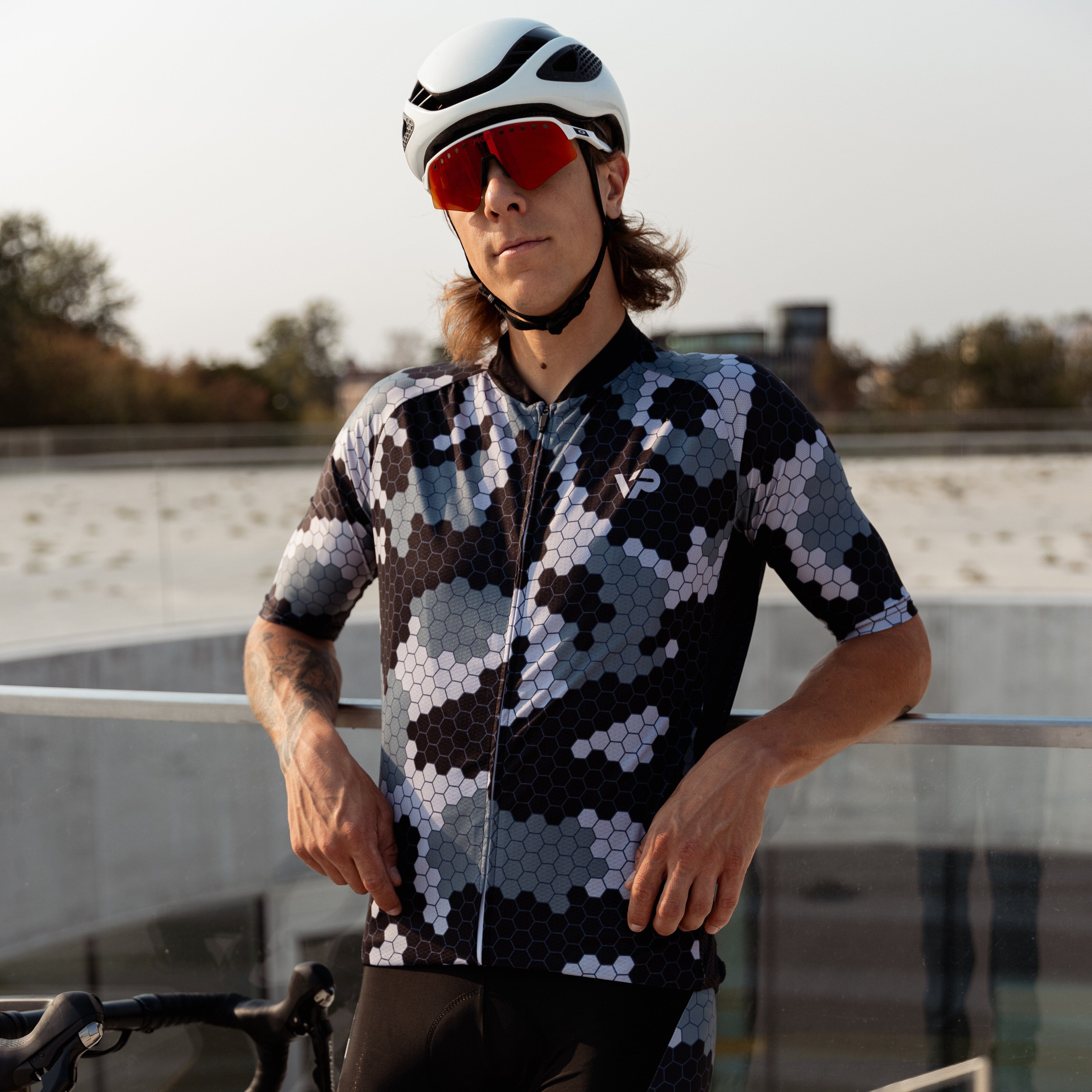
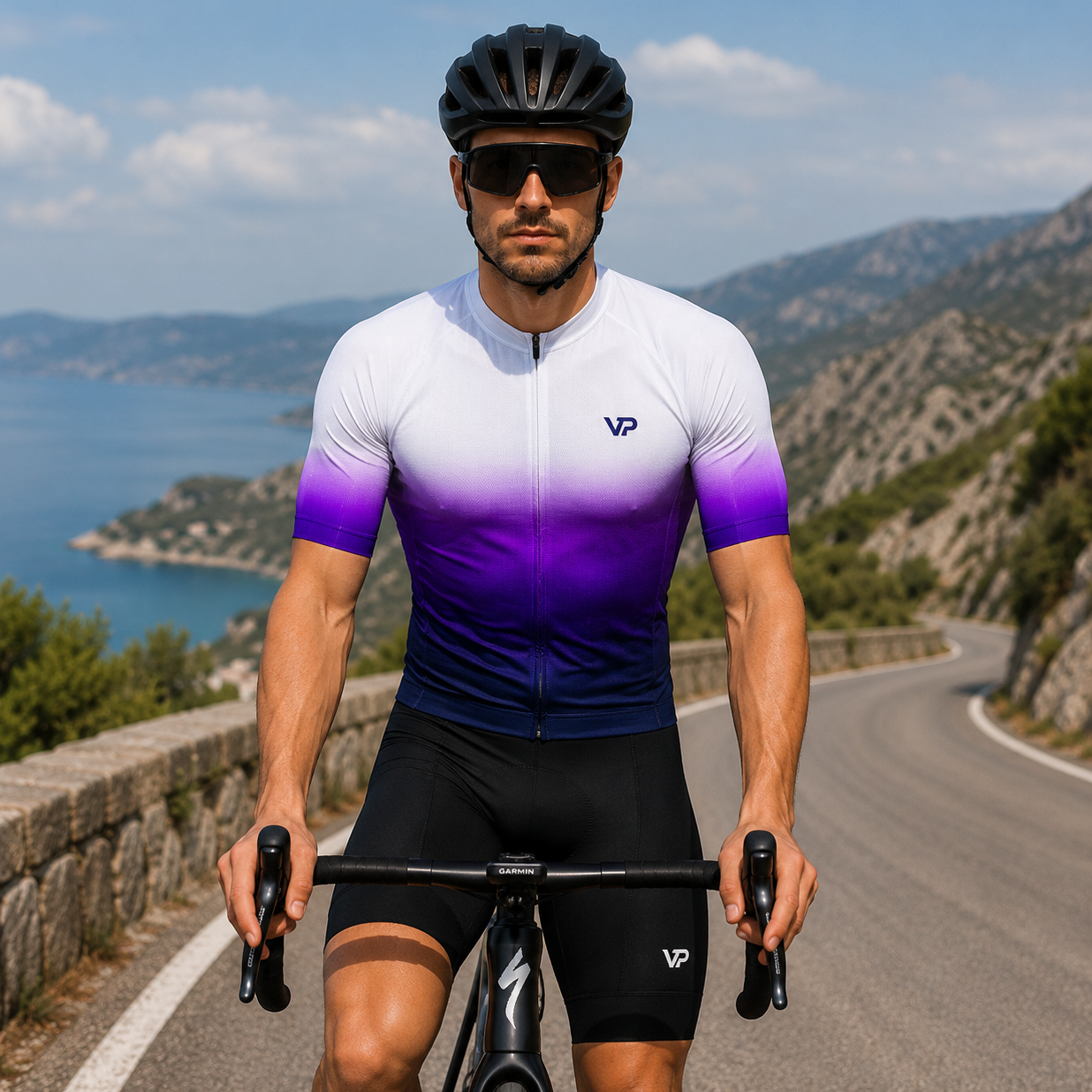
Cycling Jersey Fit for Men With a Bigger Belly: What Actually Works
For many riders, finding a cycling jersey is mostly a matter of choosing the right size and preferred style. For men with a bigger belly, it is often more complicated than that. A jersey can seem fine on the hanger, look acceptable when zipped up in front of a mirror, and still feel completely wrong within the first few miles of a ride.
The front starts pulling upward. The zipper no longer sits flat. The hem shifts every time you change position. Pockets in the back feel slightly out of balance because the jersey is being pulled from the front. Even when the fabric is good and the design looks sharp, the fit can still fail in the one area that matters most: how the jersey behaves on the bike.
This is where many riders get frustrated. They assume the issue is their body, or that discomfort is simply part of wearing performance apparel. In reality, the problem is usually much more practical. A lot of cycling jerseys are still cut around a narrow idea of athletic fit, which means they often do not account well for riders who carry more weight around the midsection.
The good news is that a better fit is absolutely possible. The right jersey does not need to feel oversized, baggy, or compromised. It just needs to work with the body instead of against it.
If you want to browse options built with more room and a more accommodating fit, you can explore this collection of big and tall cycling clothing.
Why the stomach area changes the way a jersey fits
A cycling jersey is not a standard T-shirt. It is built for a forward-leaning position, movement through the shoulders, and stability across the back. That means even a small fit issue in the front can affect the entire garment.
When a rider has more size through the stomach, the front panel of the jersey has to do more work. If the cut is too aggressive or the length is too short, the fabric starts pulling forward and upward. That creates a chain reaction. The zipper strains, the hem creeps, the back pockets shift, and the whole jersey begins to feel unbalanced.
This is why a jersey that technically closes is not always a jersey that truly fits.
For men with a bigger belly, comfort usually comes down to how well the jersey manages three things at once:
-
enough room through the front
-
enough length to stay stable in riding position
-
enough structure to avoid feeling sloppy
The best jerseys get that balance right. They do not simply add width and hope for the best. They are designed to sit naturally while the rider is moving.
The biggest mistake riders make
One of the most common mistakes is assuming that the tightest possible fit is the most flattering or most performance-oriented choice. That mindset causes a lot of unnecessary discomfort.
A jersey that is too tight around the stomach rarely looks better once you are actually riding. Instead, it tends to create visible pulling around the zipper, bunching near the waist, and constant movement at the hem. Rather than looking sleek, it looks strained.
The other mistake is going too far in the opposite direction. Some riders size up so much that the jersey loses shape everywhere else. The shoulders drop, the sleeves become loose, and the pockets start bouncing. That is not a real solution either.
What actually works is more specific than simply sizing down or sizing up. The goal is a jersey that gives enough room where you need it while still staying clean and supportive through the rest of the body.
What a good fit should feel like
A well-fitting jersey for a rider with a bigger belly should feel calm. That may sound vague, but it is one of the easiest ways to recognize a good fit.
It should not feel like the front panel is under tension. It should not make you think about your stomach every time you zip it up. It should not shift dramatically when you move from standing to riding position. It should feel like it settles into place and stays there.
More specifically, a good fit usually has these qualities:
The zipper lies flat through the front rather than bowing outward.
The hem stays reasonably stable instead of immediately climbing upward.
The fabric across the stomach feels present but not overstretched.
The back of the jersey still sits properly, with pockets remaining usable and in the right position.
The chest and shoulders are supportive without becoming restrictive.
This kind of fit creates confidence, but more importantly, it creates comfort that lasts beyond the first few minutes of a ride.

Length matters more than most riders realize
For men with a bigger belly, front length is often one of the deciding factors in whether a jersey works or not. This is especially true in the riding position.
When you lean forward on the bike, the front of the jersey effectively becomes shorter. If the cut already has limited length, the hem may rise too high across the stomach. That is often what makes riders feel like a jersey is fighting them all ride long.
A little extra effective length can make a major difference. It helps the jersey maintain coverage, reduces upward pull, and creates a more balanced fit between front and back.
This is one reason why some riders try several jerseys in the same size and only one feels right. The width might be similar, but the body length is different enough to change everything.
If a jersey consistently feels short in front, the issue is not necessarily your size choice. It may simply be the wrong cut for your shape.
Fabric can either help or expose the problem
The material of the jersey plays a bigger role than many riders expect. Some fabrics have enough stretch and recovery to adapt comfortably across the stomach without losing shape. Others feel harsh, stiff, or unforgiving the moment there is any pressure in the front panel.
That does not mean you should look for the stretchiest jersey possible. Too much softness without enough structure can lead to sagging pockets and a less secure overall fit. The better choice is fabric that stretches intelligently and returns to shape without feeling tight or flimsy.
For larger riders, the best-performing jerseys often combine:
-
moderate stretch
-
stable panel construction
-
breathability on longer rides
-
enough support for loaded rear pockets
A fabric that moves well can make a close-fitting jersey feel surprisingly comfortable. A fabric with poor give can make a borderline fit feel much worse than it really is.
Pay attention to the hem and zipper
Small details become especially important in this area. A lot of discomfort around the stomach actually shows up first through the zipper and hem.
If the zipper looks wavy or bows outward, that usually means the jersey is being asked to open wider than it was designed for. If the hem keeps climbing upward, the front panel may be too short, too narrow, or both. If the gripper at the bottom feels like it is digging in, it may be trying to hold a position the jersey does not naturally want to stay in.
What works better is a jersey that feels settled without force. The zipper should look clean. The hem should stay put because the cut is correct, not because the elastic is overly aggressive.
This kind of stability is often what separates a jersey that feels merely wearable from one that genuinely feels good over a full ride.
The right fit is not about hiding the body
This is an important point, because many men shop from a place of frustration. They look for a jersey that somehow minimizes everything visually, but end up choosing cuts that are too tight, too short, or too compromising.
A better approach is to think in terms of balance rather than concealment.
A jersey looks better when it fits naturally. That usually means enough room through the midsection, sleeves that sit cleanly without squeezing, shoulders that stay aligned, and a body length that works on the bike. It does not mean the jersey has to be loose. It means it has to be proportionate.
When the garment is not fighting the rider, the overall look improves automatically. The fit appears more intentional, more athletic, and more refined, even if it is not ultra-tight.
In other words, comfort and appearance are not opposites. In many cases, they are closely related.
Common Cycling Jersey Sizing Mistakes Bigger Riders Make
Best Fabrics and Features in a Cycling Jersey for Big and Tall Riders
What to Wear on Long Rides if Standard Cycling Jerseys Feel Too Tight
How a Cycling Jersey Should Fit Across the Chest, Shoulders, and Waist
Plus Size vs Big and Tall Cycling Jerseys: What’s the Difference?
Cycling Jersey Fit for Men With a Bigger Belly: What Actually Works
Race Fit vs Relaxed Fit: Which Cycling Jersey Is Better for Bigger Men?
Tall Cyclist Problems: How to Find a Jersey That Is Long Enough
4XL, 5XL, 6XL Cycling Jersey Guide: How to Pick the Right Size
How to Choose a Cycling Jersey for Bigger Riders
Cycling jerseys for big belly riders
How to shop more intelligently
If you have struggled with cycling jerseys in the past, it helps to shop with a more practical set of questions.
Instead of asking, “Can I get into this size?” ask, “Will this still feel right after an hour on the bike?”
Instead of focusing only on chest measurement, think about how the jersey will sit through the stomach and whether the front has enough length.
Instead of assuming a race cut will always look best, ask whether that cut was built for your actual body shape.
Instead of treating discomfort as normal, use it as a sign that the garment may simply be wrong for you.
It also helps to read descriptions carefully. Phrases like race fit, aerodynamic profile, second-skin feel, and compressive design often signal a narrower cut. That may work for some riders, but not for all. Language around comfort, all-day riding, roomier shaping, or inclusive sizing may point toward something more appropriate.
The best choice is rarely the one that sounds the most aggressive. It is the one that matches the way you ride and the way your body is built.
Long rides reveal the truth
It is easy to judge a jersey too quickly. Standing in a changing room or trying it on at home tells you very little compared to a few hours on the bike.
A jersey that is wrong around the stomach usually becomes more annoying over time, not less. You start adjusting the hem more often. You notice pressure from the zipper. You become more aware of the front panel every time you reach forward, sit up, or take something from a pocket.
A jersey that truly works does the opposite. It becomes less noticeable as the ride goes on. It settles. It moves when you move. It stays where it should. It lets you focus on riding instead of constantly managing your clothing.
That is the standard worth aiming for.
What actually works
So what actually works for men with a bigger belly?
Not compression for the sake of appearance. Not simply buying the largest size available. Not pretending that discomfort is part of the sport.
What works is a jersey with enough room in the front, enough length to stay stable in riding position, enough structure to support the rest of the garment, and enough refinement to still feel purposeful on the bike.
That combination is what turns a frustrating purchase into a piece of kit you reach for again and again.
Cycling is hard enough without clothing that distracts you. The right jersey should help you feel more comfortable, more mobile, and more at ease in your position on the bike. Once you experience that, it becomes much easier to recognize what good fit really means, and much harder to settle for less.